
Welcome to Wallingford—where historic charm meets everyday delight. Our vibrant neighborhood invites you to stroll its tree-lined streets, admire century-old homes, and uncover the stories behind its beloved public landmarks.
-
 Visit Wallingford


Wallingford History
Wallingford’s history begins long before it became a Seattle neighborhood. For generations, the north shores of Lake Union were part of the Duwamish homeland — a place of travel, gathering, and deep connection shaped by Indigenous stewardship.
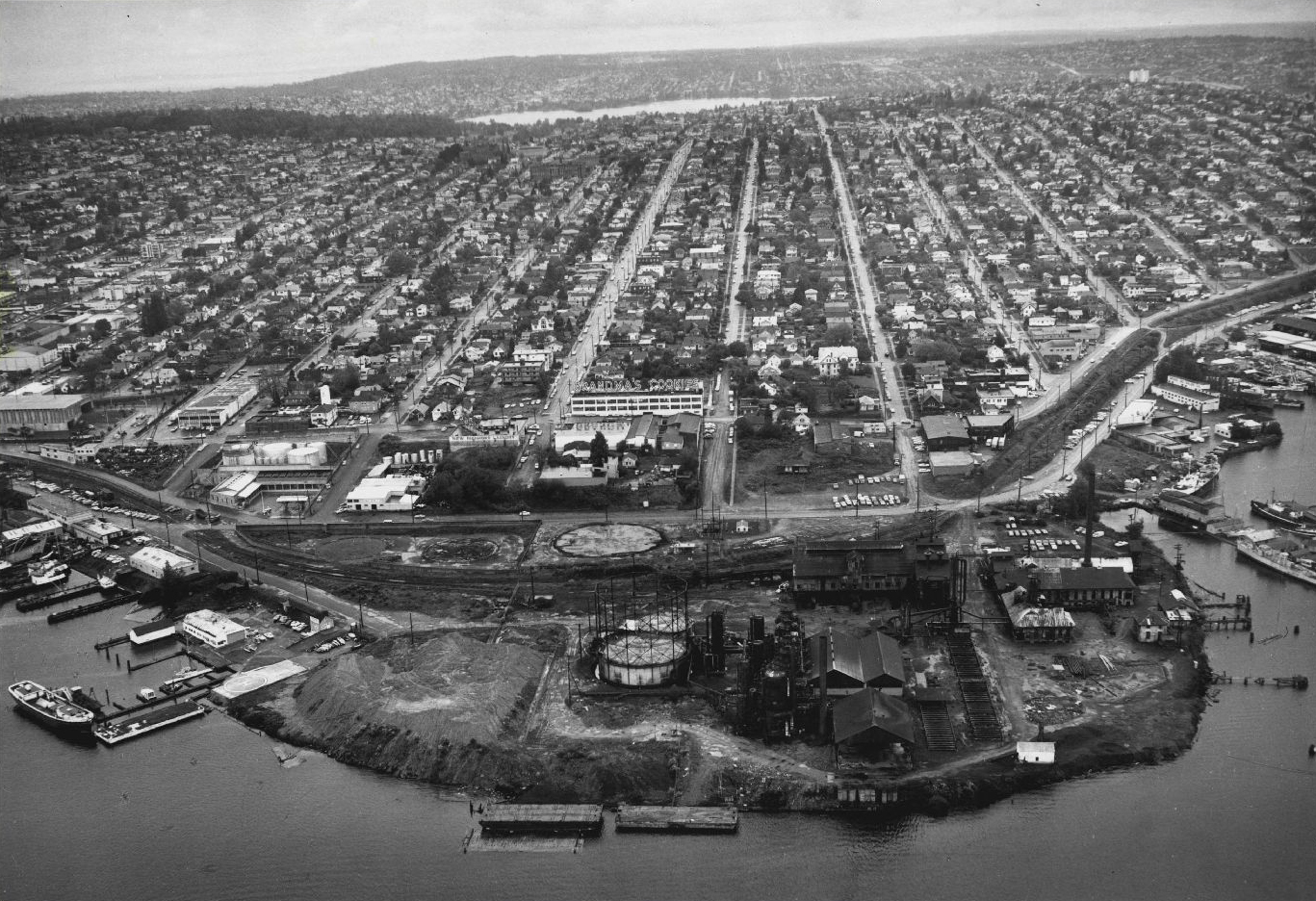
Colonial settlement in the late 1800s brought rapid change as forests were cleared and early lakeside communities like Edgewater and Latona emerged. Rail lines and later streetcars linked the area to Ballard, the University of Washington, and downtown, setting the stage for Wallingford’s growth. After annexation into Seattle in 1891, a wave of plats established the street grid and residential character that still define the neighborhood. By the 1910s and 1920s, Wallingford had become a thriving streetcar suburb filled with bungalows, small commercial hubs, and a strong sense of community.
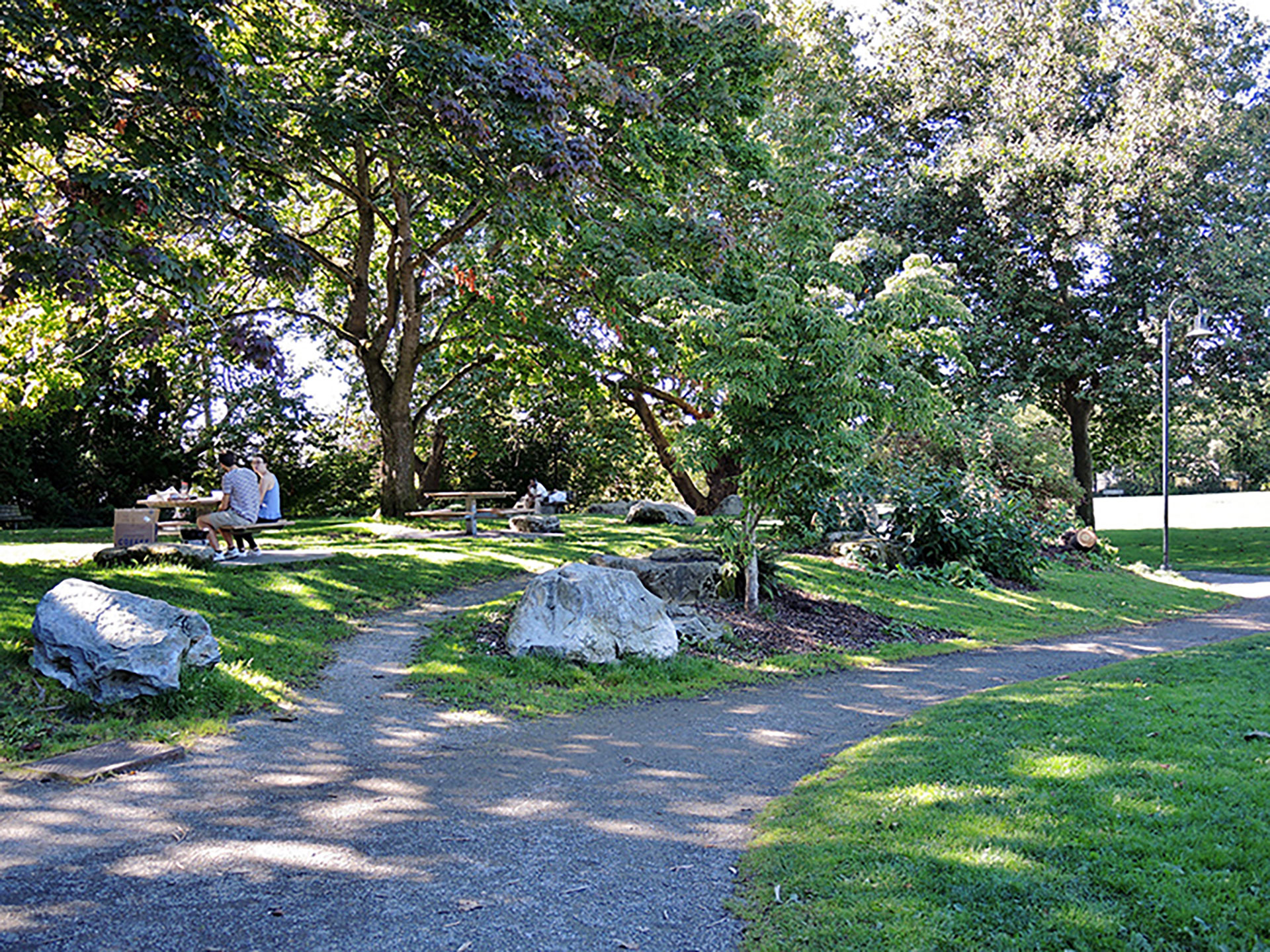
Today, Wallingford is known for its walkable streets, early 20th‑century homes, lively business districts along 45th Street and Stone Way, and beloved landmarks like Gas Works Park and the Good Shepherd Center. It remains a neighborhood where history is visible — and where community continues to shape its future.
Learn more about Wallingford’s history and architecture by visiting Historic Wallingford.
Frequently Asked Questions
Why “Wallingford”?
The name “Wallingford Hill” for the area began to appear in real estate advertisements in The Seattle Times and The Seattle Post-Intelligencer by 1908 as the Wallingford Avenue streetcar line was complete. By 1912, the Wallingford name for the neighborhood gained traction as it was used to brand two area churches: Wallingford Church (1414 N 42nd Street) and Wallingford Hill Baptist Mission (1929 N 45th Street).
Prior to this point, “Wallingford” only appeared in city directories as a surname or a street address. In 1913, a newly constructed joint fire and police station at the southwest corner of N 45th Street and Densmore Avenue N was named Wallingford Fire and Police Station (NRHP listed in 1983). The Wallingford name most likely came from John Wallingford, Jr., who was among the early developers to purchase one of the large tracts of land north of Lake Union in 1888 and also served two times on the Seattle City Council.
How many historical landmarks does Wallingford have?
Currently, there are seven locally and nationally designated landmarks in Wallingford: the Good Shepherd Center, the Wallingford Center (Interlake School), the 45th Street Clinic (Wallingford Fire and Police Station), parts of three schools—John Stanford (Latona), Lincoln, and Hamilton (primarily exterior facades and some interior spaces) – and Gas Works Park. There is also a National Register Historic District towards the northern portion of the neighborhood called the Wallingford-Meridian Streetcar Historic District.
These historic places are reminders of our past and contribute to the sense of place and identity in Wallingford for those who live and work here.
Where can I find more places to explore?
Historic Wallingford, the neighborhood’s local history organization, has put together three self-guided walking tours focused on different parts of Wallingford. Each tour features historical, natural, and artistic points of interest to check out. You can find digital and print versions on their Exploring Wallingford webpage.